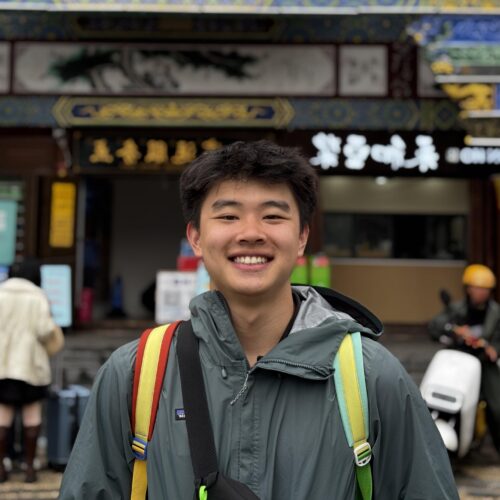
Marketing and Information Systems major Tim Qian is a senior at the University of Washington. As part of his Wikipedia assignment, Tim created the new Wikipedia article on the 2008 Shell Bodo Oil Spill.
Tim, creating a brand new Wikipedia article is a big deal! Why did you choose to work on this article?
In class, we had a reading on Oil Frontiers and the Niger Delta, which was a topic new to me. I remember doing some Wikipedia surfing and eventually coming across a page containing a list of oil spills which referenced the Bodo Oil Spill, but it didn’t have an article of its own at this point. I was really surprised how such a significant spill didn’t have an article, and because I was curious to learn more, I chose to start this article for my Wikipedia project.
How did you choose to approach/organize your work on this article?
My goal for this article was essentially to lay the groundwork so that future Wikipedians could also build on it. For my project, I chose to cover three sections: the spill details, the environmental impacts, and the legal aftermath. I thought these sections would help me meet that goal and give readers a comprehensive overview of the spill.
What did you especially want to get right about it?
Something I especially wanted to get right was the spill details. Data like the volume of oil spilled and the duration are disputed due to systemic factors and differing reports between oil companies and independent investigations, so I made sure to highlight those differences and what each side reported. Through my research, I also learned a lot more about the systemic issues in the relationship between the residents of the Niger Delta and oil companies, and how this remains an ongoing and relevant topic today. I hope readers feel encouraged to learn more and explore other articles related to the Niger Delta.
Did you build any skills along the way? Was the work meaningful for you?
A skill I definitely developed was writing neutrally. Through my research, I also got to explore topics like media framing and environmental justice. It was really meaningful because it taught me a lot about the media landscape, particularly around visibility and why some stories are more visible than others. One of my early questions was why this spill wasn’t as well known as the Exxon Valdez spill, given its similar magnitude? That led me to learn more about how media narratives are framed and to explore the gaps in environmental communications when it comes to highlighting important topics.
How would you describe the power of Wikipedia?
I think Wikipedia is really crucial in shaping awareness and understanding. It’s a completely free encyclopedia with reliable, up-to-date information that is constantly being reviewed and revised by people around the world. The sheer breadth of coverage geographically and across different languages is also so fascinatingly mind-boggling to me. There’s so much one can explore.
What was your favorite part of editing Wikipedia?
I really enjoyed the research process. It allowed me to build a fuller picture of my topic and develop a much deeper understanding of what happened and what the implications might be going forward, since this is still an ongoing situation in terms of litigation, remediation, and geopolitics.
What was your least favorite part?
I’d say one of the biggest of the biggest challenges I had was writing neutrally as it wasn’t something I was used to. When it comes to writing, I also have the tendency to spend an hour going through the cycle of writing something and deleting it over and over again. A mental heuristic I came up with that ended up being pretty helpful was asking myself who, what, when, why, and how questions. That really helped me get actual content down on the page.
What advice would you give to other students starting their first Wikipedia assignment?
My advice for students starting their Wikipedia assignment is to surf for a bit and follow your curiosity. Working on an article is an opportunity to explore a topic more deeply, so if it’s something you’re interested in, it can be a lot of fun.
Many thanks to the Guru Krupa Foundation for supporting students to improve STEM content on Wikipedia!
Interested in incorporating a Wikipedia assignment into your course? Visit teach.wikiedu.org to learn more about the free resources, digital tools, and staff support that Wiki Education offers to postsecondary instructors in the United States and Canada.