It’s the day before the U.S. midterm elections, and somewhere right now, a voter is typing a ballot measure’s name into a search bar. Another is asking a chatbot about the candidates running for governor of their state. A third is scrolling through unsourced claims on social media about absentee ballots, wishing the text included citations.
Many of these trails will lead to Wikipedia, and whether the corresponding article is thin, outdated, or solid depends on the efforts of volunteers who took the time to contribute to it.
There’s no doubt that public access to well-cited, neutral information about politics is always critical, but never more than during an election year. But thanks to the many political scientists, educators, historians, and other experts who joined Wiki Education’s Civics and Democracy editing courses this fall, the free encyclopedia now offers more up-to-date information on a broad spread of topics related to the midterms.
Led by our expert instructors, our course participants have already improved more than 100 Wikipedia articles and created 11 new articles, and those numbers will grow as they continue to update content to reflect results in the weeks after the elections.
Like the participants themselves, their work spans the country. New articles range from ballot measures in Rhode Island and Erie County, New York to 2026 Colorado Amendment 83, 84, and 85. The cohort of editors enhanced existing articles, from the local level (2026 San Francisco Board of Supervisors election) to a national scope (Elections in the United States).
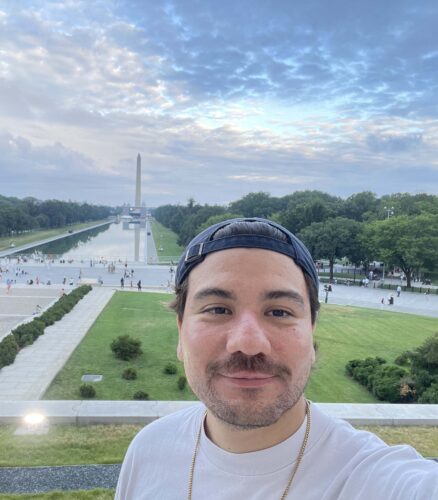
Austin Barraza, an assistant professor of Political Science at San Diego Mesa College, enrolled in a Civics and Democracy course ready to move beyond minor edits.
“I never took the leap into adding more substantive changes to an article even though I had long wanted to,” said Barraza. “This course seemed like the perfect opportunity to learn how to edit Wikipedia while bringing my expertise as a political scientist.”
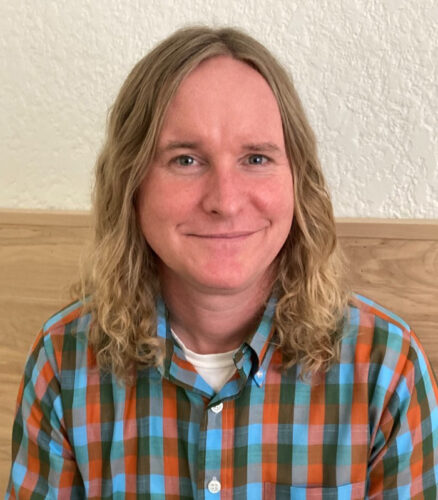
Course participant Rob Alper, a U.S. history expert and instructional and learning designer in higher education publishing, has spent most of his career developing U.S. history textbooks and digital courseware for undergraduates. Much of that material is built on political history, using pivotal moments like elections to help students trace change over time, Alper explained.
After years of building learning materials about the past, Alper saw the Wikipedia editing course as a chance to put that experience to work on the immediate present.
“The goal of producing educational materials for history survey courses is to present a factually accurate representation of the country’s history and not to advance any argument, ideologically rooted or otherwise, that attempts to persuade readers to take a position,” said Alper. “And though objectivity and neutrality are not synonymous, they are analogous, so I’ve relied on my dispassionate approach to creating courseware materials for the great diversity of learner populations in my Wikipedia work, where I strive to contribute content that will clarify topics in a concise, reliably cited manner.”
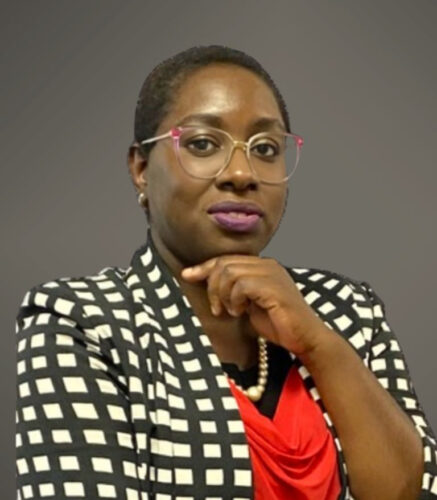
Like Alper, many participants joined the courses already practiced at maintaining neutrality in their work. Fabiola Bernier, museum educator at the Spady Cultural Heritage Museum in Delray Beach, Florida, does it professionally as a historian, but also at home mediating arguments between her children — a process, she explained, not so different from editing election topics.
“I listen to both [children’s] sides but never choose a side, even when I lean toward one,” said Bernier, who also serves on the Boca Raton Historic Preservation Board. “I know favoring a child would cost me their trust, while being fair would earn both of their respect. When covering something as politically charged as an election, that means leaving out my own opinions, vetting sources, and letting the reliable sources tell the story.”
As Wikipedia content spreads much farther than its own pages through large language models, getting that balance right matters more than ever.
“It’s an important responsibility that only highlights the need for Wikipedia to remain a high-quality source of free information,” noted Barraza. “This responsibility is also partly what brought me to the course, as I have a role to play in ensuring Wikipedia stays accurate and up-to-date, especially since this information may ultimately be reflected in the answers provided by AI chatbots.”
Bernier echoed this sense of responsibility, explaining that for a historian, preserving and sharing stories comes with a duty to be a trustworthy source of reliable information.
“In the age of AI’s hallucination tendencies and toxic social media algorithms, it can be used to distort and or provide false information,” she explained. “Wikipedia offers a positive way to contribute to local history through community collaboration backed by reliable sources.”
For many participants, the course is only the beginning of their work on Wikipedia.
“I’m truly grateful to have contributed to the world of information that Wikipedia provides, and I look forward to learning more in the days, weeks, and years ahead,” said Alper. “Now, go vote if you haven’t already!”
Interested in learning how to add your expertise to Wikipedia? Explore Wiki Education’s upcoming editing courses.