Ready to reach the public with important knowledge, driving change? Apply now and make an impact!
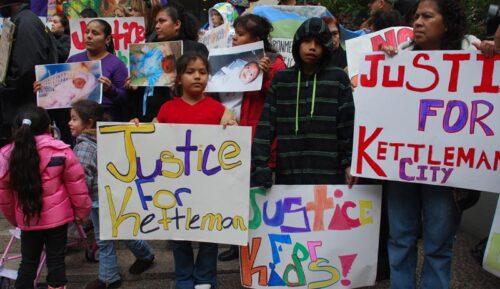
Over forty years after the Warren County, North Carolina protests that were a highlight of the early days of the environmental justice movement, much remains unknown to the public about the work of this movement. Whether it is about pollution, parks, working conditions, access to the land, climate change, or the people and organizations contributing to this field, the environmental justice movement has long been weighing in on key subjects that influence daily life for everyone.
With a worldwide reach unlike that of any other public resource, Wikipedia presents an amazing opportunity to reach the masses with accurate information.
Non-partisan spaces like Wikipedia are invaluable spaces for people to learn and participate in discourse about the environmental justice movement. These public spaces serve as catalysts to educate the public, but they need to be informed by high-quality academic knowledge.
We’re running an 8-week Wiki Scholars course to guide scholars as they add information related to the environmental justice movement to Wikipedia. You will also learn how to teach assignments in which your students add to Wikipedia if you choose to do so in the future. Together, we can increase visibility of the existing research about environmental justice to increase awareness among the general public, policymakers, government leaders, and decision-makers. With more accurate, thorough, and high quality sources on Wikipedia, we can help to inform, excite, and teach the world about environmental justice in the United States and beyond.
Who is this course for?
We’re looking for subject-matter experts who are well versed in the environmental justice movement and interested in using their expertise to advance public knowledge about it. We are also interested in working with people who teach college-level environmental justice courses. Participants should have an academic research background from any relevant discipline, a passion for sharing information, and the commitment to spend time during the course editing Wikipedia to add quality information to it such as through articles on:
- Environmental justice history
- Key campaigns, lawsuits or policies
- Climate justice
- The cultural losses associated with land loss and climate migration
- Risks for vulnerable communities
Our team can guide you to lists of article ideas brainstormed by other experts that you can write about, or you can pick your own topic. We are prioritizing participants interested in documenting the history of the US environmental justice movement on Wikipedia, but also welcome participants working on international issues and contemporary events.
We look to your expertise to determine what information is most valuable to share with the public via Wikipedia.
The Wiki Scientists course
Wiki Education invites subject-matter experts to participate in an 8-week virtual course as they learn how to edit Wikipedia and how to teach your students to do so through class assignments. We’ll take a deep dive into Wikipedia’s coverage of environmental justice and add high-quality information to Wikipedia to inform the public with potentially life-changing knowledge. From March 10th – April 28th, 2026, Wiki Scientists will attend a series of virtual classes facilitated by Wiki Education’s Wikipedia experts. Each participant should expect to add or expand at least one Wikipedia article related to the course theme.



What will you achieve?
- An audience of millions. Few other actions you take for the climate can have an effect like a Wikipedia page can. Even adding one sentence about climate science to an existing page with a lot of traffic can reach millions. Imagine the possibilities!
- Membership in an enriching, hopeful community of practice. Develop professional connections across fields while incorporating climate action into your life in a tangible way. Wikipedia editors and a close-knit group of 10-20 peers will commune with you each week to share expertise, stay accountable to our goals, and inspire hope in each other.
- Wikipedia expertise. Create your first Wikipedia article or brush up on your existing Wikipedia-editing skills. You’ll complete the course able to continue this important work both through your own editing and through organizing local projects, embedding Wikipedia know-how within your institution or job.
- And more!
Email scholars@wikiedu.org with questions.